The Importance of Selecting Appropriate Materials for Your Garden
Maintaining a healthy garden requires more than just regular watering and sunlight. One critical aspect that often gets overlooked is the choice of mulch. The right mulch can significantly enhance plant growth by retaining moisture, preventing weed growth, and adding nutrients to the soil. However, selecting the best type for your specific plants and climate can be challenging. Understanding different types of mulch and their benefits will help you make informed decisions that improve your garden’s health.
Understanding Different Types of Mulch
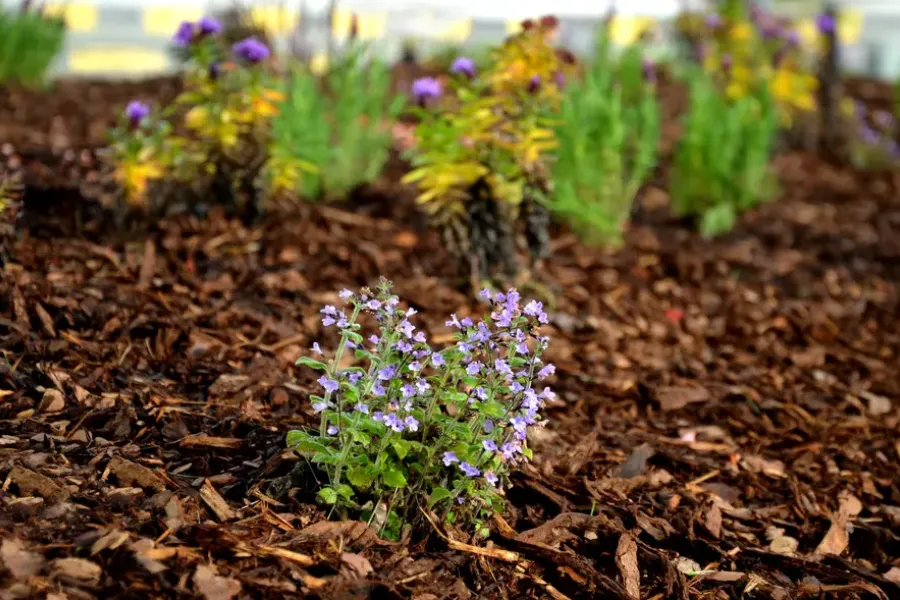
Mulching involves covering the soil surface around your plants with materials like wood chips, straw, or compost. Each type serves a unique purpose in promoting plant health. For instance, organic mulches such as bark or leaves decompose over time, enriching the soil with essential nutrients. On the other hand, inorganic options like gravel or landscape fabric are excellent for controlling weeds without breaking down.
Organic Mulches: Benefits and Drawbacks
When choosing an organic mulch, it’s essential to consider both benefits and potential drawbacks. Organic varieties, like wood chips or shredded leaves, are fantastic for improving soil quality as they break down. They also provide a habitat for beneficial microorganisms. However, they may attract pests if not properly managed and require periodic replenishment to maintain effectiveness.
Inorganic Mulches: Long-Lasting Options
Inorganic mulching materials such as stones, plastic sheeting, or rubber mulch offer a more permanent solution. These materials do not decompose and thus require less frequent replacement. They are ideal for areas where long-term weed control is needed without altering soil nutrients. However, these options may not contribute to soil fertility and could raise temperatures around plant roots in hotter climates.
How to Apply Mulch Effectively
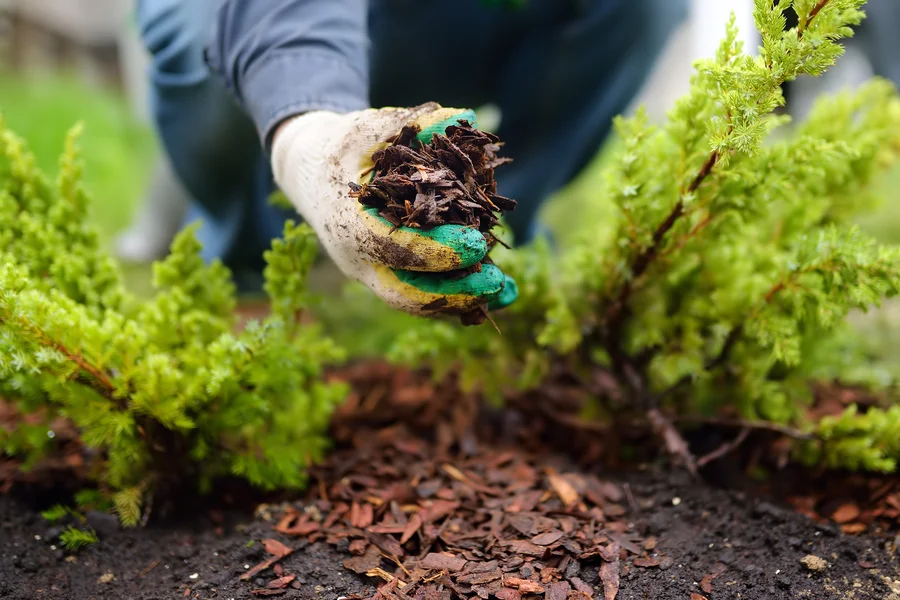
Proper application is crucial when using mulch to ensure maximum benefit to your plants. Start by clearing weeds from the area you’ll be covering. Spread an even layer of mulch about 2-4 inches thick, keeping it away from the base of plant stems to prevent rot. Regularly check your mulch layer to ensure it maintains its depth and effectiveness over time.
Cost Considerations for Gardeners
The cost of mulching varies depending on the material chosen and the size of the area covered. Organic mulches tend to be cheaper upfront but may need frequent replacement. In contrast, inorganic options might have higher initial costs but offer durability without much maintenance. It’s vital to weigh these factors against your budget and gardening goals when deciding on the best option.
Expert Tips for Choosing the Best Mulch
- Select mulch based on plant needs and local climate conditions.
- Avoid piling mulch too close to tree trunks or plant stems.
- Combine different types of mulch for aesthetic appeal and functionality.
Maximizing Plant Health With Proper Soil Covering Techniques
Choosing the right mulch plays a pivotal role in achieving a thriving garden. By understanding the different types available and how they impact your plants, you can tailor your approach to meet specific gardening goals. Located in Joliet, IL, our team at JB Landscaping specializes in providing expert advice on all things related to gardening. Contact us at (815) 661-1123 today to learn more about effective mulching practices tailored to your needs.