The Role of Natural Barriers in Gardening
Gardening involves not only nurturing plants but also ensuring that they thrive without unwanted interference. Among the many techniques available, using natural barriers is essential for maintaining garden health. These barriers help in two significant ways: they prevent weeds and retain moisture in the soil. This approach can transform your garden into a sustainable environment with minimal effort. By understanding how these barriers work, you can achieve better growth results in your garden.
Weeds: an Unwanted Guest
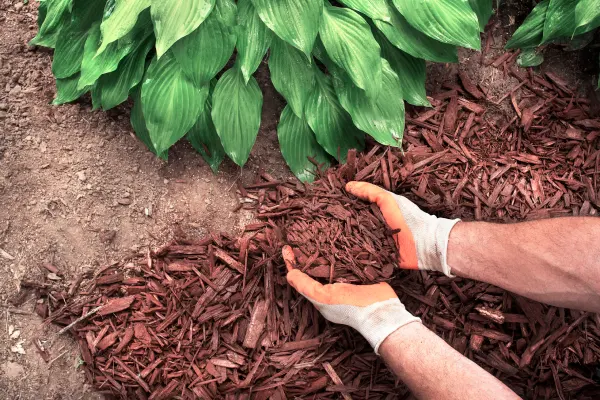
One of the biggest challenges gardeners face is dealing with weeds. These pesky plants compete with your desired vegetation for nutrients, water, and sunlight. When left unchecked, they can overtake an area quickly. A layer of mulch acts as a barrier that suppresses weed growth by blocking sunlight from reaching weed seeds. Without light, these seeds are unable to germinate and grow.
Moisture Retention: Keeping Soil Hydrated
Maintaining adequate moisture levels in the soil is crucial for plant health. Water tends to evaporate faster from bare soil, leading to frequent watering needs. Applying mulch helps minimize this evaporation process. It acts like a blanket covering the soil, keeping it cooler and reducing water loss through evaporation. This means you don’t have to water your plants as often, saving time and resources while ensuring that your plants receive consistent hydration.
Mulching: More Than Just Aesthetic Appeal
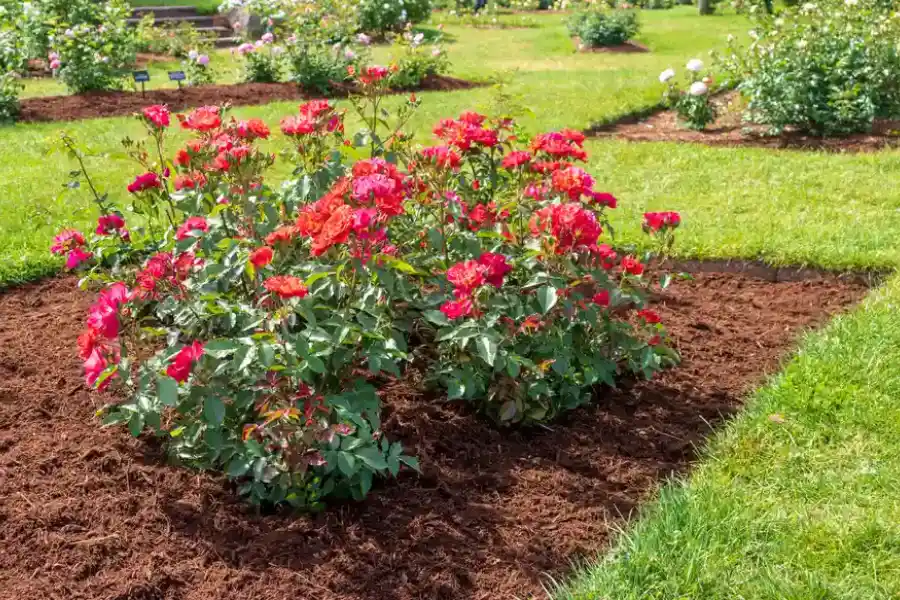
Beyond its functional benefits, mulching adds a pleasant visual appeal to gardens. Different types of mulch, such as bark chips or straw, can create a neat and tidy look that enhances the overall appearance of your landscape. While aesthetics are important, remember that the primary goal is to improve soil conditions and support plant growth.
Types of Mulch and Their Benefits
- Organic mulch: Includes materials like wood chips, straw, and leaves. They decompose over time, enriching the soil with nutrients.
- Inorganic mulch: Composed of gravel or rocks, providing long-lasting coverage without decomposing.
- Living mulch: Consists of ground cover plants that provide protection while offering additional benefits such as attracting pollinators.
Avoiding Common Mulching Mistakes
While mulching has numerous benefits, it’s essential to apply it correctly. One common mistake is applying too much mulch, which can suffocate plant roots and hinder growth. Aim for a 2-3 inch layer around your plants, leaving some space around their bases to allow air circulation. Another mistake is using low-quality mulch that may introduce pests or diseases into your garden. Always choose high-quality products to ensure your plants’ health and safety.
Cost Considerations: Investing Wisely in Your Garden
The cost of mulching varies depending on the type you choose and the size of your garden. Organic options might require more frequent replacement but will contribute positively to soil health over time. In contrast, inorganic options offer longevity but lack nutrient benefits. Consider your budget alongside the specific needs of your garden when deciding which option best suits your situation.
Your Path to a Healthier Garden Environment
Choosing the right mulching strategy offers numerous advantages for any gardener aiming for sustainability and effective growth management. Explore various options and weigh their benefits against your specific gardening goals. If you’re in Joliet, IL, consider contacting JB Landscaping at (815) 661-1123 for expert advice tailored to your garden’s unique requirements.