The Importance of Timing in Managing Your Trees
Trimming trees at the right time can significantly impact their health and appearance. Each tree species has its own ideal trimming season, and choosing the wrong time could cause stress or damage to your plants. Understanding when to trim can help you maintain healthy growth and shape while minimizing risks like disease or pest invasions. In this guide, we will explore the benefits of proper timing and share expert tips on how to manage your trees effectively.
Why Timing Matters for Tree Health
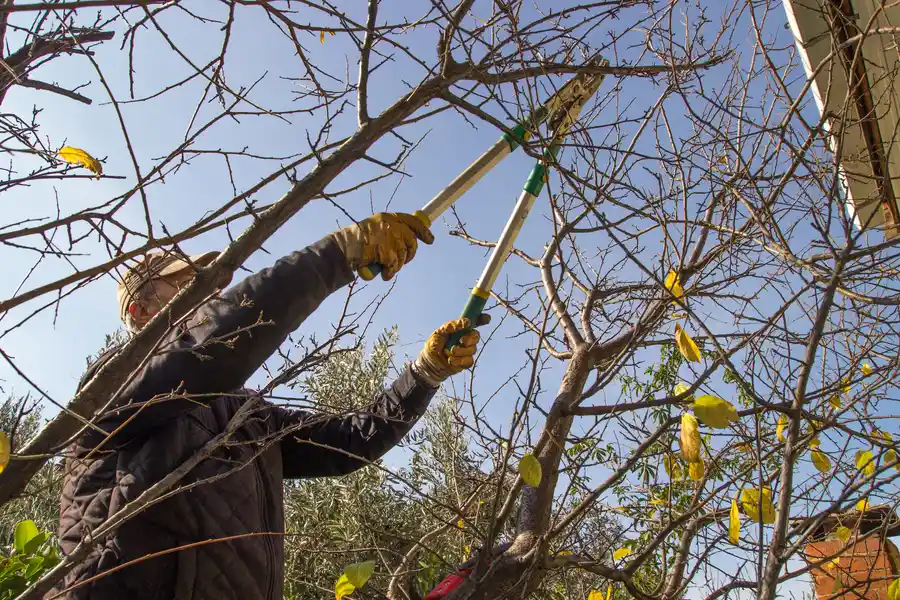
The timing of tree trimming plays a crucial role in a tree’s overall health. Pruning during the dormant season, typically late winter, encourages robust regrowth as temperatures rise. Dormancy allows trees to heal more efficiently, reducing stress and exposure to potential disease. Moreover, without leaves, it’s easier to see the tree’s structure, which helps in making precise cuts that promote better health and aesthetics.
Common Challenges When Choosing the Right Time
Determining the best time for trimming can be challenging due to varying factors like climate, tree species, and specific plant needs. For instance, trimming during peak flowering can remove buds prematurely, affecting blooms. Similarly, over-trimming in summer might expose too much foliage, leading to sunburnt branches. Using a professional tree trimming service can ensure these challenges are navigated correctly with expert insight and experience.
Benefits of Hiring Professional Services
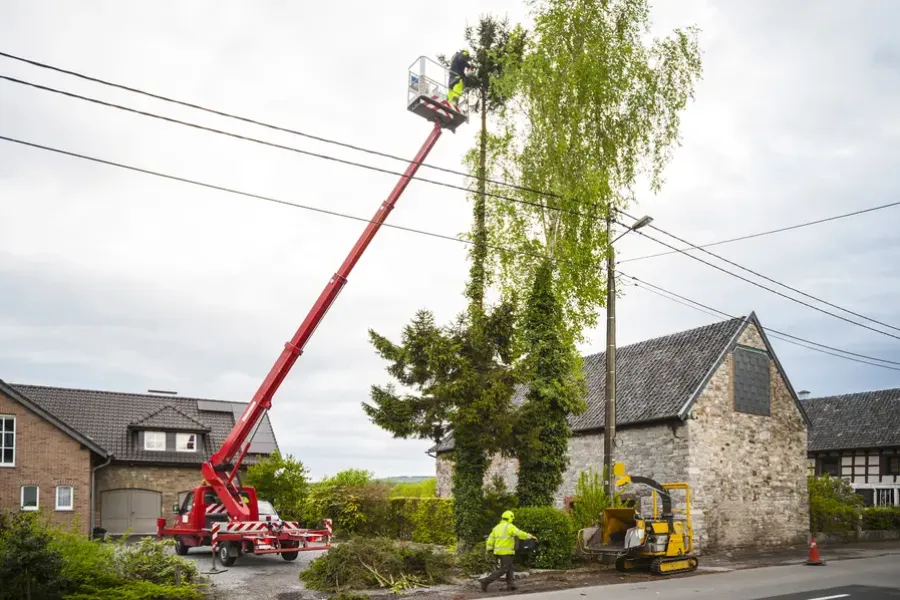
Using a tree trimming service offers several advantages beyond just timing expertise. Professionals have the knowledge to identify potential problems and prevent them before they escalate. They also possess the right tools and techniques to perform the task safely, ensuring no harm comes to the trees or surrounding property. By employing experts, you’re investing in long-term health and beauty for your landscape.
Essential Steps for Effective Tree Trimming
- Identify the type and age of your trees to determine their specific needs.
- Schedule trimming during the appropriate season for each species.
- Use clean, sharp tools to make smooth cuts that aid in quick healing.
- Focus on removing dead or diseased branches first to prevent spread.
- Avoid excessive cutting that could harm the tree’s natural structure.
Best Practices for Maintaining Healthy Trees
- Regularly inspect trees for signs of disease or pests.
- Mulch around bases to retain moisture and nutrients.
- Avoid heavy pruning during active growing seasons.
- Consult professionals for large or hazardous trees.
- Water adequately but avoid waterlogging roots.
Caring for Different Types of Trees
Diverse tree species require unique care approaches. For example, maples benefit from early spring pruning after sap flow decreases, while fruit-bearing trees often need summer trims post-harvest. Evergreen varieties usually respond well to late winter or early spring pruning. Understanding your specific tree types ensures proper timing and technique application, promoting optimal health and growth patterns.
Making Cost-Effective Decisions
The cost of tree trimming varies based on factors like tree size, complexity, and location accessibility. While hiring professionals may seem costly upfront, it pays off by preventing expensive future repairs or replacements caused by improper maintenance. Consider it an investment in your property’s value and curb appeal. Always request estimates from multiple providers for competitive pricing without compromising quality.
Your Path to Healthy Trees Starts Now
Choosing the right time for trimming is essential for maintaining beautiful and healthy trees throughout Joliet, IL. By following our guide and considering professional services offered by JB Landscaping, you can ensure your landscape remains vibrant year-round. Call us today at (815) 661-1123 to schedule an appointment with our experienced team dedicated to enhancing your outdoor spaces.